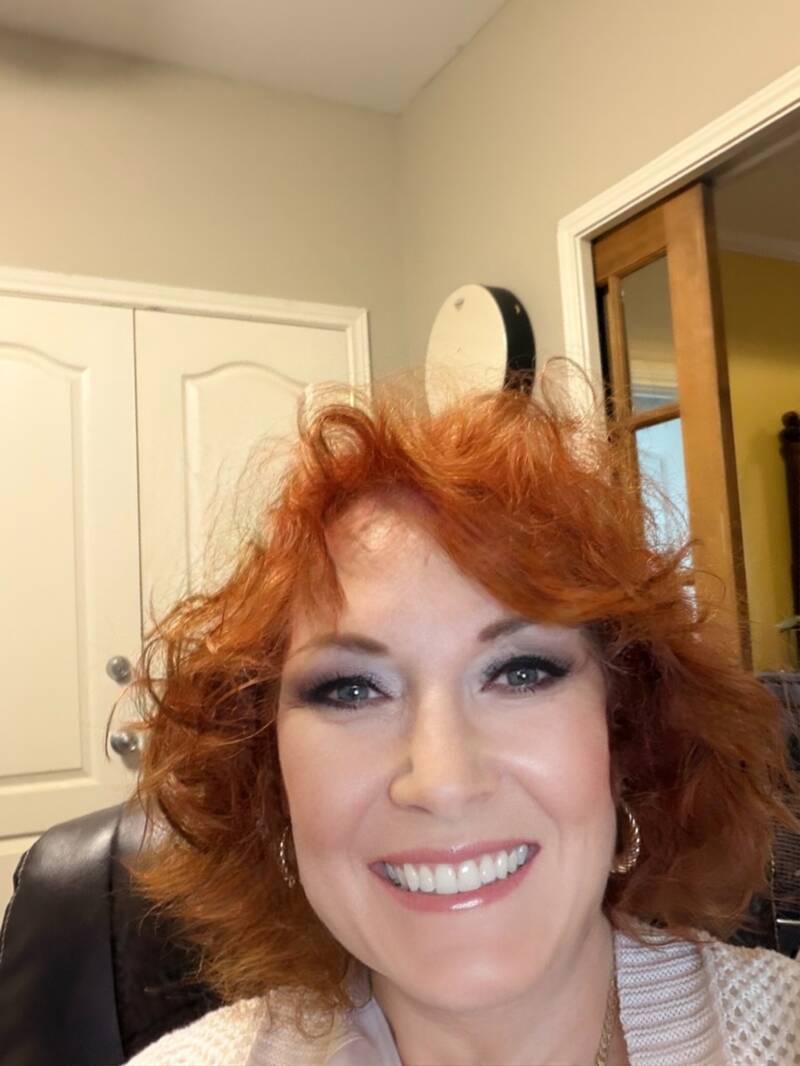
Cathy Armstrong MS, LPC-S, Registered Nurse, Fellow-NBCCH, Rev
Holistic Psychotherapy for Caregivers, Leaders & Deep Feelers
Mind• Body • Spirit
Counseling for Emotional Wellbeing
Corpus Christi, Texas
• Shadow work for therapists
• Archetypes activated in clinical relationships
• Attachment wounds in the healer
• Existential isolation in the profession
• Meaning fatigue vs burnout
• Individuation beyond professional identity
This is not surface-level work.
A Depth-Oriented Space for the Interior Life of the Therapist
There comes a point in a clinician’s life when technique is no longer enough.
When continuing education does not reach the place that is tired.
When supervision does not touch the layer that is searching.
When burnout language feels too shallow for what is actually occurring.
This is not soul fatigue.
This is soul fatigue.
Healing the Wounded Healer is a space devoted to the inner life of the therapist — the symbolic, existential, and psychological terrain that shapes clinical presence.
This is not performance-based professional development.
It is depth inquiry.
Why the Healing Hub Exists
South Texas Healing Hub is a specialized healing sanctuary for mental health professionals and wounded healers who need more than coping strategies, certifications, or protocol-driven therapy.
Unlike general wellness spaces or continuing education programs, this sanctuary focuses on the unfinished personal work that interferes with ethical, grounded clinical practice.
At South Texas Healing Hub, we believe healers deserve healing that honors both their humanity and professional identity.
Our approach is:
• Trauma-informed and culturally responsive
• Strength-based and relational
• Grounded in nervous system awareness
• Respectful of the realities of clinical and caregiving work
• Rooted in dignity, authenticity, and sustainability
This is not therapy that asks you to perform wellness. This is therapy that meets you where you are.
Individual Therapy
Therapy for helping professionals navigating burnout, compassion fatigue, identity shifts, grief, trauma, and life transitions. Sessions are grounded in empathy, nervous system regulation, and deep respect for your lived experience as a healer.
Clinical Supervision and Consultation (LPC Associates)
Supportive and ethical supervision for LPC-Associates and consultation for licensed clinicians. We focus on professional development, self-of-the-therapist work, boundaries, and sustainability in the field.
Wounded Healer Support Groups
Group spaces for clinicians and helpers seeking community, validation, and collective healing. Groups focus on burnout recovery, secondary trauma, and reconnecting to purpose.
Burnout and Compassion Fatigue Recovery
Specialized care for those experiencing emotional exhaustion, cynicism, reduced effectiveness, or loss of meaning in their work.
Up to Date Holistic and Somatic Therapies. Mindfulness, Energy Psychology, Guided Meditations, Theraputic Breath work, Tapping, EFT, Mental Health Nutrition, ACT, DBT, Recovery Dharma Closed Groups and Individual Sessions. Spiritual Counseling, Buddhist Psychology, Jungian Informed Depth Work upon Request.
Dialectical Behavior Therapy (DBT)
Skills-Based Support in Corpus Christi, Texas
Dialectical Behavior Therapy (DBT) is a structured, evidence-based form of psychotherapy originally developed by psychologist Marsha Linehan. It evolved from cognitive-behavioral therapy and was designed to support individuals who experience emotions intensely and may struggle to regulate them effectively.
Over time, DBT has proven helpful for a wide range of concerns—not only for those with significant emotional dysregulation, but also for individuals who want practical tools to manage stress, relationships, and mood stability.
Who Benefits from DBT?
DBT skills can be especially helpful for individuals experiencing:
• Depression
• Anxiety
• Bipolar and other mood disorders
• Trauma-related symptoms
• Addictive or compulsive behaviors
• Self-harming behaviors
• Borderline personality patterns
• Chronic relationship conflict
• Emotional overwhelm or reactivity
Some people experience emotions more intensely and for longer durations than others. Their nervous systems may activate quickly in interpersonal situations—especially in close relationships—and take longer to return to baseline. DBT provides structured tools to interrupt this cycle and build steadier internal regulation.
Core Skill Areas
Participants learn and practice skills in:
• Mindfulness – Building present-moment awareness and reducing impulsive reactions
• Emotion Regulation – Understanding and stabilizing emotional patterns
• Distress Tolerance – Navigating crisis situations without making them worse
• Interpersonal Effectiveness – Communicating needs clearly while maintaining self-respect and relationships
• Wise Mind & Validation – Integrating emotional insight with rational clarity
The goal is not to eliminate emotion—but to cultivate balance, agency, and relational effectiveness.
This sanctuary is for licensed mental health professionals, therapists, counselors, supervisors, and clinicians, as well as helping professionals who work with trauma, grief, and high-intensity clients. It is for those who recognize patterns of burnout or compassion fatigue, control or power struggles in the therapy room, countertransference that keeps repeating, difficulty tolerating client autonomy, or emotional reactivity masked as " clinical authority."
This is a space where you do not have to explain clinical burnout, secondary trauma, or the emotional cost of holding others’ stories.
When a wounded healer comes to this sanctuary, they find relief that finally sticks. Relief from carrying it alone, from repeating the same patterns, from protocol fatigue, from unspoken countertransference, from nervous system overload, from professional isolation, and from spiritual or psychological bypassing. This leads to clearer boundaries, less reactivity, more presence, and fewer power struggles, with clients feeling the difference.
A private healing sanctuary for mental health professionals in South Texas. Trauma-informed groups addressing burnout, countertransference, narcissistic abuse, and unresolved personal work.
Small, Contained, and Intentional
Groups are:
• Small and professionally focused
• Structured for psychological safety
• Not open to the general public
• Designed for honest self-examination
This allows for deeper work that protects both the participant and the clients they serve.
When a healer’s personal wounds remain unresolved, they often show up as:
• Power struggles with clients
• Over-control or emotional withdrawal
• Burnout masked as professionalism
• Ethical strain and boundary confusion
South Texas Healing Hub exists to interrupt that cycle.
We commonly work with:
•Burnout and compassion fatigue
• Secondary and vicarious trauma
• Moral injury and systemic stress
• Imposter syndrome in clinicians
• Boundary setting and over-functioning
.• Grief and loss (personal and professional)
• Identity shifts in healers
• Nervous system regulation and resilience
• Cultural stressors unique to South Texas communities
6901 Holly Road Corpus Christi, Texas 78414
Cathy Armstrong MS, LPC-S, RN, F-NBCCH, Rev
Secular and Non-Secular Education
Tel: (361) 688-8200
What Does A Healthy Therapist Look Like?
A psychologically healthy therapist:
• Maintains consistent empathy
• Takes accountability when they misatune
• Keeps focus on you
• Welcomes feedback without defensiveness
• Maintains boundaries without superiority
• Encourages autonomy rather than dependence
You should feel:
• Seen and understood
• Safe to disagree
• Not shamed or diminished
• Not emotionally managed or intimidated